























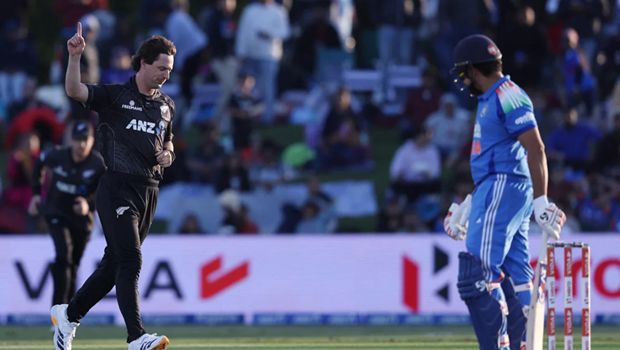
Rohit Sharma, golden duck. Virat Kohli, clean bowled for zero. Shreyas Iyer, golden duck. Was this a nightmare for Indian cricket fans? Unfortunately, it was a harsh reality.
After conceding 333 runs in the fourth ODI against New Zealand, India lost three wickets without scoring a single run. The innings never recovered, and the visitors were eventually bundled out for just 89, suffering their first defeat of the series.
It was an embarrassing performance, but the warning signs had been visible throughout the tour.
India struggled to chase a revised target of 143 in the opening ODI. In the second match, they lost seven wickets while pursuing a modest 110. On both occasions, the bowlers had done enough to put India in commanding positions, only for the batters to make straightforward chases unnecessarily complicated.
The fourth ODI exposed those vulnerabilities brutally.
Matt Henry was outstanding, exploiting the seam movement and bounce to leave India’s batting lineup in complete disarray. The Indian batters looked like plastic ducks at a circus shooting booth, waiting helplessly to be knocked over.

However, this cannot simply be dismissed as one exceptional spell of bowling. India’s repeated struggles against New Zealand’s pace attack suggest deeper technical and tactical problems. The inability to handle movement and bounce, coupled with the failure of experienced batters to provide stability, is particularly concerning with the ODI World Cup approaching.
India still have one match remaining in the series, but the immediate challenge is bigger than merely bouncing back from a heavy defeat. The batting unit needs to demonstrate greater application, better shot selection and an ability to withstand pressure when conditions favour the bowlers.
A team harbouring World Cup ambitions cannot afford such repeated collapses.
The uncomfortable question remains: does this Indian batting lineup currently look capable of competing with the world’s best when the stakes are highest?