


























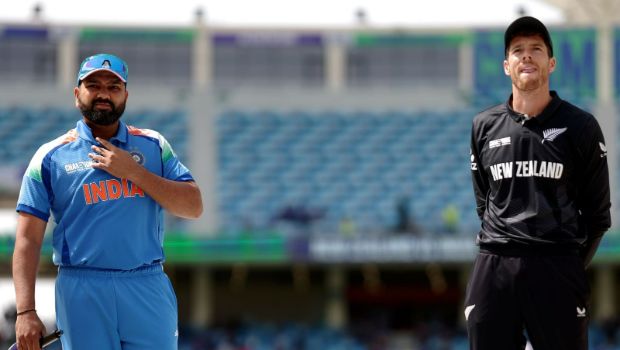
This T20 series between India and New Zealand has proven to be a very valuable hit-out, particularly for the hosts. Playing at home, India continue to show just how dominant they are in familiar conditions. That dominance has once again been on display throughout this series, reinforcing why they remain such a formidable force in the shortest format of the game.
It is also worth remembering that India are the current men’s T20 World Cup champions, having lifted the trophy in the Caribbean in 2024. While that triumph does not feel like it happened very long ago, there have already been some notable changes in personnel since then. Big names like Rohit Sharma and Virat Kohli have moved on, but despite those departures, India’s depth remains extraordinary. The resources at their disposal are vast, and the pipeline of talent continues to deliver. Their batting stocks, in particular, seem almost endless, with new players constantly stepping up and making an impact whenever opportunities arise.
From an Indian perspective, some players perhaps have missed the chance during this series. Sanju Samson, for instance, has spoken about feeling that a few opportunities slipped by in the series against New Zealand. That sense of urgency is understandable, given that everyone has one eye firmly fixed on the next major challenge. February looms large with the upcoming ICC Men’s T20 World Cup, set to be held in India and Sri Lanka. With that tournament fast approaching, every game and every performance is being scrutinised closely.
Turning attention to New Zealand, this series has also served as a useful preparation phase for them. They have clearly looked forward to this tour and viewed it as an important chance to test themselves ahead of the World Cup. Their familiar and trusted names have once again led the way, particularly at the top of the order. Players like Devon Conway, Rachin Ravindra, and Daryl Mitchell have continued to provide stability and experience. The return of Tim Seifert as a wicketkeeper-batter has further strengthened the line-up, bringing back someone who has spent a long time playing international cricket and understands the demands of the format.
That top order remains absolutely crucial to New Zealand’s success. When those players fire, New Zealand look like a very competitive side capable of challenging anyone. Daryl Mitchell, in particular, carried strong form from the 50-over matches into the T20 games, and that continuity has been encouraging. The middle order also has significant importance, and it is here that players like Glenn Phillips become vital. His ability to produce extraordinary innings, as he did in the one-day format, is key to New Zealand’s chances. Those kinds of performances can shift momentum and apply pressure on even the strongest opposition.
One of the notable aspects of New Zealand’s preparation has been the management of their bowling resources. Lockie Ferguson’s return to the wider set-up ahead of the World Cup is significant, and the fact that he has been able to be rested for a period is important in the long term. Managing workloads and ensuring bowlers are fresh for the major tournament is a critical balancing act, and New Zealand appear to be mindful of that.
Looking at the overall balance of the side, it is no surprise to see the continued reliance on players such as Mitchell Santner. His ability to provide control through spin and variations in pace remains central to New Zealand’s plans, particularly in subcontinental conditions. Glenn Phillips contributing a few overs adds further flexibility, giving the team more options. There are also ongoing questions around the composition of the spin attack. Do New Zealand turn to
Ish Sodhi? Do they give spinners, such as Ravindra, more bowling opportunities, especially given the conditions and the fact that the series is nearing its conclusion? These decisions are clearly being weighed carefully, with one eye on immediate results and another on the bigger picture of the World Cup starting on February 7.

This balancing act presents a genuine challenge for New Zealand. While there is room to tinker and experiment, they must also work towards clarity. The potential inclusion of Adam Milne would have been part of that planning, but his decision to rule himself out of the World Cup has altered those plans. Kyle Jamieson’s presence in India, despite being more of a reserve option, is still a positive sign for his development and readiness. Situations like these underline how quickly circumstances can change. A couple of injuries can significantly alter the direction a team is heading, forcing adjustments to plans and combinations almost overnight.
Overall, New Zealand’s set-up remains strong and well-structured. It is a good side with a solid core, but questions remain about whether they have enough X-factor and depth to consistently put pressure on a team like India. The final game of the series, in particular, represents an opportunity for them to do exactly that, while also offering a glimpse of how they might perform later in February and March.
There have undoubtedly been positives to take away. Younger bowlers gaining experience in these conditions, against arguably the best T20 side in the world, is invaluable. This series has given them the chance to try different things, learn quickly, and understand what is required at the highest level.
In summary, New Zealand are likely to be relatively satisfied with certain individual performances, even though they are fully aware of the challenge they face when playing India. This tour has shown them what the landscape looks like and highlighted areas that still need work. One key consideration moving forward will be the importance of settling on a preferred playing XI, as much as injuries allow. For New Zealand, having a consistent and settled line
up is paramount. Without that regularity, the challenge only becomes greater.
From a positive standpoint, there is reason for optimism. The Black Caps should take confidence from their most recent outing, where they won comfortably and posted a large total for India to chase. India, meanwhile, were slightly short-handed in that match, bringing in Arshdeep Singh and dealing with a few injuries of their own. This, too, reflects India’s approach of tinkering, experimenting, and making full use of their squad depth to give players opportunities.
Ultimately, this series has been beneficial for both teams. With plenty of white-ball cricket under their belts and a solid run of T20 matches completed before the World Cup begins on February 7, both sides are better prepared. There are exciting times ahead, and for New Zealand in particular, there is a sense that they remain a dangerous, dark-horse side. As history has shown time and again over the past 15 to 20 years, they are capable of beating anyone on their day and causing major upsets on the world stage. High expectations remain, and this New Zealand side will be hoping to build on what they have learned here.