


























India produced an impressive response after the game against South Africa. It was clearly a team under pressure, and they responded exactly as you would hope a strong side would. There was a sense of calmness about the performance, a clarity in their approach, and most importantly, a visible improvement in balance. The side looked more settled, more coherent, and more aligned with the demands of the contest.
The balance of the team, in particular, felt much better. As mentioned previously, Rinku Singh’s position was always the one under scrutiny. The concern was not about his ability, but rather about the role he was being asked to play. If everyone ahead of him does their job properly, he almost finds himself without much to do. That is precisely how it unfolded. By opting for an extra batter at the top rather than stacking the lower order, India ensured that the bulk of the work was handled earlier in the innings. As a result, Rinku’s involvement was naturally limited. It was not a reflection of his importance, but rather of the structure working efficiently.
There was also noticeably more impetus than in previous games. That early momentum made a significant difference, particularly in the middle overs against spin. When you feel slightly ahead of the game, that middle phase becomes easier to navigate. You are not scrambling to catch up; instead, you can manage the tempo and rotate strike with greater assurance. The adjustment in the batting order and overall balance was a smart one, and it paid dividends.
Looking ahead to the next match against the West Indies, there is little expectation of sweeping changes. The opposition is undoubtedly stronger, and the challenge will be greater, but that does not necessarily mean a rethink is required. There has been some discussion around Tilak and Ishan Kishan swapping positions. However, there is no real issue there. Kishan has batted at number three extensively throughout his career. Tilak has spent a significant amount of time at number five. These are not unfamiliar roles being imposed suddenly. Both players are accustomed to the responsibilities attached to those positions, so the flexibility within the order should not be viewed as disruptive.
In terms of personnel, continuity appears the likely path. The only real debate surrounds the possibility of introducing either Kuldeep or Washington Sundar as an additional spin option. There is a slight concern regarding the sixth bowling option, and that is understandable. Yet,
realistically, almost every side in the competition carries some uncertainty about their sixth bowler. It is typically an add-on, someone who complements rather than leads the attack. With that in mind, there is every expectation that India will largely stick with the same side.
A major positive has been Abhishek. Persisting with him feels like a given. He has shown encouraging signs, hinting at a player capable of finishing the tournament strongly. His contributions suggest forward momentum, and that continuity could be vital as the competition intensifies.
From a batting perspective, India are still searching for that one dominant, commanding score at the top of the order. There have been plenty of starts—good starts—but not yet the kind of innings where one batter goes on to produce a truly big score that anchors everything around
him. The upside of multiple starts is that everyone is spending time in the middle, gaining rhythm and confidence ahead of the bigger contests. The downside is that ideally, one of

those starts would be converted into something substantial, allowing the others to play around a set batter. Perhaps that defining innings is still to come.
Hardik continues to impress with the bat. His innings was outstanding, and Tilak’s contribution was equally impressive. There is a growing sense that India are getting their decisions right. Tactically, they appear sharp. In the previous match, they opened the bowling with Hardik rather than Bumrah, a shift from what they had done against South Africa. That decision felt correct. It demonstrated flexibility and a willingness to adapt according to conditions and opposition.
Against the West Indies, maintaining that same approach seems sensible. Opening with Hardik and holding Bumrah back could once again prove effective. Bumrah is likely to have a massive role, particularly given the strength of the West Indies’ middle and lower-middle order. They are notoriously difficult to break down and continue to apply pressure deep into the innings. Holding Bumrah for the middle phase, using spin early, mixing things up in the middle, and then deploying him again at the death appears tactically sound. It ensures that India retain a cutting edge when it matters most.
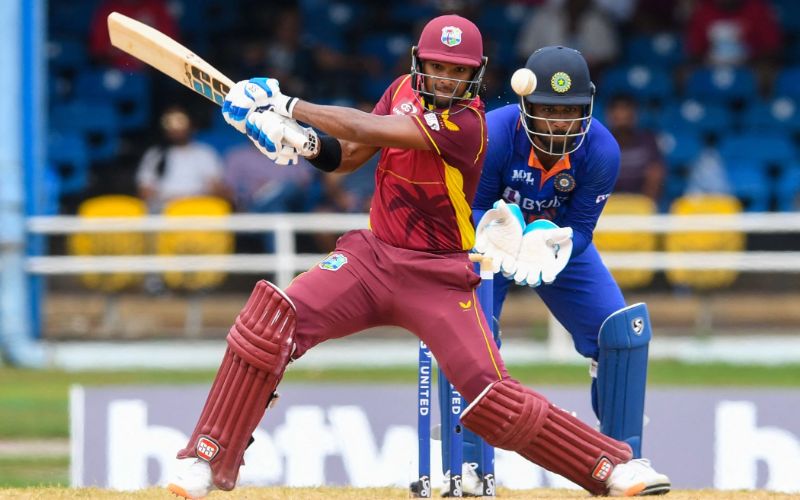
The West Indies’ strength is not confined to the powerplay. They keep coming at you throughout the innings. With players like Romario Shepherd batting as low as number eight, their depth demands careful resource management. That is where someone like Varun Chakaravarthy could have a key role, particularly in familiar conditions. Managing overs wisely will be essential.
If the West Indies are looking for a way to break down India, one potential avenue might be to attack Hardik early with the ball. If they can force India to rely on the sixth bowler, they might gain an advantage. Without putting pressure on Hardik in the opening overs, it becomes harder to expose that additional option. That could well form part of their strategy.
From a selection standpoint for the West Indies, Akeal Hosein, for many, must return. While the changes involving Roston Chase are understandable, there is a strong argument for prioritising spin, especially in these conditions. Kolkata has often been flat, but it can offer assistance to spinners. Against an Indian line-up featuring several left-handers, increasing spin options could be a calculated move. Playing both Akeal and Chase might be something they seriously consider.
In summary, India begin as favourites. However, with the game effectively a knockout, margins tighten. It becomes less about pure skill and more about handling pressure. Nerves, expectation, and composure all come into play. India managed that well in the previous match, which in many ways felt like a knockout itself. This contest, though, presents a different level of challenge. Ultimately, it will be a blend of sound tactical decisions and the ability to hold nerve in key moments that determines the outcome.