


























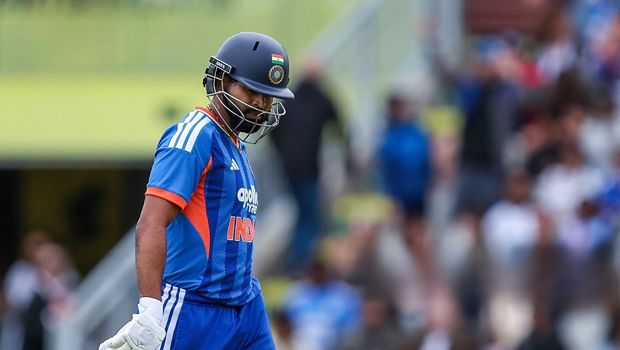
India’s 125-run defeat to England at Trent Bridge was more than just a bad day at the office. It was a sobering reality check for the reigning T20 world champions and a performance that has exposed growing concerns about the direction of the team under captain Shreyas Iyer.
Chasing 202 to level the series, India were blown away for just 76 as Jofra Archer and Josh Tongue unleashed a devastating exhibition of high-quality fast bowling. The collapse handed England a commanding 2-0 lead in the four-match series and condemned India to the heaviest defeat in their T20 international history, eclipsing their previous worst loss by an astonishing 45 runs.
There was no attempt from Iyer to soften the blow.
“It was atrocious. I can’t use a better word. Losing by such a big margin isn’t acceptable,” Iyer admitted after the match. His assessment reflected the scale of the defeat and the challenges now confronting a side that has looked increasingly vulnerable throughout the tour.
The loss also continued a worrying trend. India have now lost four successive completed T20Is against England and Ireland, raising uncomfortable questions about whether this team has stagnated after its World Cup triumph.
The concerns extend far beyond a single batting collapse.
India’s middle order has struggled to provide stability, repeatedly failing to rebuild after early wickets. Their spin attack, expected to be a major strength, has regressed across consecutive matches and has been unable to apply sustained pressure on opposition batters.

The pace attack has hardly inspired confidence either. One of India’s three seamers is still finding his feet at international level, while the other two have failed to produce the consistency expected of experienced campaigners. England’s quicks have comfortably outperformed their Indian counterparts throughout the series, highlighting the gap between the two attacks.
Fielding has become another major concern. Missed opportunities, inconsistent catching and lapses in the field have only compounded India’s problems, allowing England to seize momentum at crucial moments.
Captaining a World Cup-winning side inevitably brings enormous expectations, and with those expectations comes relentless scrutiny. Iyer now finds himself under increasing pressure, not simply because of the results, but because India appear to be regressing in multiple departments simultaneously.
The encouraging aspect for India is that two matches remain in Bristol and Southampton, giving them an opportunity to salvage some pride and restore confidence before the series concludes.
But time is running short. At the moment, India are searching not just for victories, but for solutions. Until they address the shortcomings in batting, bowling and fielding, the questions surrounding this team are likely to continue outweighing the answers.