


























Twenty-four hours can feel like a lifetime in the IPL. One day, a batter smashes 152 and still ends up on the losing side because the opposition tears through 120 in the powerplay. The next, in Chennai, Ruturaj Gaikwad bats through all 20 overs for a painstaking 74 off 60 balls – and once again, it comes in a losing cause. Different surfaces, different match situations, but the same underlying theme: intent, or the lack of it, can define outcomes as much as conditions.
At the MA Chidambaram Stadium, Chennai Super Kings were never quite able to seize the initiative. Yes, the surface was sluggish. Yes, stroke-making wasn’t straightforward. But even within those constraints, there remained a sense that CSK left runs out there. Shivam Dube called 158 an “amazing score,” yet that assessment feels generous when placed against the flow of the innings.
The numbers tell a sobering story. CSK crawled to 36/3 in the powerplay, their second lowest of the season. At the halfway mark, they were 43/4. Their 50 came only in the 12th over, and Gaikwad’s half-century required 49 deliveries. This wasn’t just a slow start; it was a prolonged surrender of momentum. While the eventual total of 158 represented a recovery of sorts, it always felt like a par score at best – perhaps even below par given modern T20 standards.
Contrast that with the approach of the Gujarat Titans. Their chase began with clarity and purpose. A powerplay of 58/0 effectively knocked the wind out of CSK’s challenge. Even when Shubman Gill fell shortly after, the damage had already been done. The platform was set, the equation simplified.
This is where the match pivots from conditions to mindset. The pitch may have eased marginally in the second innings, but not dramatically enough to justify the gulf in powerplay returns. What stood out was execution under pressure. B Sai Sudharsan’s 87 off 46 balls was a masterclass in controlled aggression; an innings that balanced risk with awareness of conditions. It was precisely the kind of knock CSK lacked.

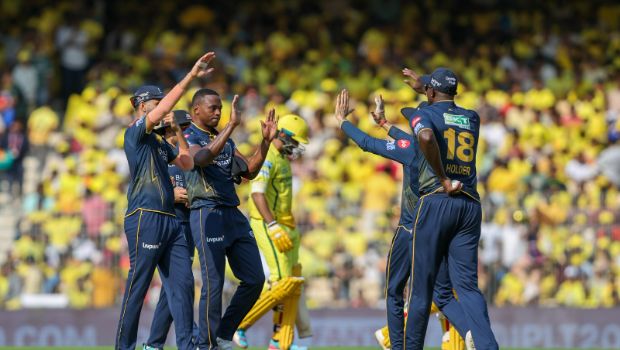
Credit must also go to Gujarat’s bowlers for scripting the game early. Mohammed Siraj and Kagiso Rabada showcased the enduring value of hard-length bowling, especially on responsive surfaces. Siraj’s opening spell set the tone, beating the bat repeatedly and removing key batters, while Rabada struck crucial blows to dismantle the top order. Supported by Jason Holder’s miserly four-over spell, Gujarat dictated terms for three-quarters of CSK’s innings.
Interestingly, this match also served as a reminder that bowlers are not entirely obsolete in the IPL ecosystem. After a run-fest the previous day – nearly 1000 runs in 77-odd overs – this contest offered a refreshing recalibration. T20 cricket doesn’t always have to resemble a video game. Surfaces that challenge batters bring nuance back into the contest, rewarding discipline, variation, and tactical clarity.
And yet, even on such pitches, intent remains non-negotiable. CSK’s comeback with the bat showed resilience, but the urgency arrived too late. In contrast, GT combined discipline with decisiveness, from their captain choosing to field in oppressive afternoon heat to their bowlers executing plans relentlessly.
In the end, this wasn’t just a story of a difficult pitch. It was a study in contrasting approaches. One team adapted and imposed itself within the conditions; the other reacted, recovered, but never quite dictated. In modern T20 cricket, that difference is often all it takes.