

























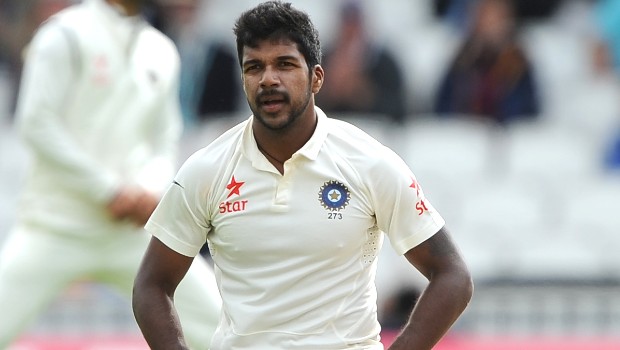
Former Indian fast bowler Varun Aaron showered praise on Harshit Rana after India won the first ODI against New Zealand by four wickets at the BCA Stadium, Vadodara on Sunday. Rana returned with figures of 2-65 in the 10 overs he bowled against the Kiwis. The fast bowler from Delhi accounted for New Zealand openers – Henry Nicholls and Devon Conway.
The Blackcaps’ openers had added 117 runs for the opening alliance but Rana was able to provide a double breakthrough after Shubman Gill decided to field first.
Furthermore, Rana was promoted to number seven after Washington Sundar suffered a back injury in the first innings. Rana played a crucial cameo of 29 runs off just 23 balls to help India get close to the target of 301.
“KL Rahul’s partner, Harshit Rana, played a very important innings. He obviously eased a lot of pressure from KL Rahul, and after that, KL Rahul has become a finisher at this moment. When you are batting at No. 6 for India, you are a finisher. KL Rahul showed that he can finish the innings and open,” Varun Aaron said on Star Sports show Follow the Blues.
“India can now say that they bat till No. 9 after this innings by Harshit Rana. He played two very important innings in Australia. Today (Sunday) also, he was almost telling KL Rahul to stop him because he was feeling he could hit a six off every ball. Harshit Rana has that belief,” he added.
The former RCB bowler said India need confident players like Harshit Rana in the team.

“India need such youngsters who have a lot of belief in their game. Harshit Rana, obviously with the ball, took two very important wickets, broke the partnership, and then saw India home with the bat,” he observed.
Meanwhile, Rana was able to account for Henry Nicholls with a wide slower ball. Rana can clock 145 kmph whereas his slower ball is around 110 kmph and Aaron reckons the difference in pace makes it tougher for the batters.
“Harshit Rana’s slower ball is very important. As soon as he starts bowling the slower ball, especially after the 15th over, his game comes to the fore differently. The highest speed of his pace-on ball is approximately 145 kph and the slower ball is 110 kph. When there is so much difference between your slower ball and pace-on ball, it’s very difficult for the batters,” he replied.
The second ODI between India and New Zealand will be played at Rajkot on Wednesday.