
























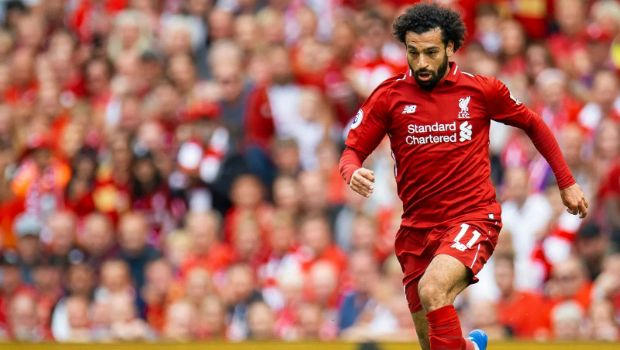
Mohamed Salah’s situation at Liverpool has once again become a talking point, and this time the debate is less about short-term form and more about long-term compatibility. What began as a tactical decision to bench the Egyptian star evolved into a public disagreement that exposed deeper tensions between player and club. Even though both sides have tried to calm the narrative in recent weeks, the sense remains that the relationship is not as stable as it once was.
Some observers now believe that the cleanest outcome would be a summer transfer. The Saudi Pro League continues to circle, maintaining interest in one of football’s most marketable forwards, while voices within the game suggest a change could benefit all parties involved. The idea is not driven solely by performance levels, but by the complex dynamics that arise when a global superstar and a coaching project try to coexist under intense scrutiny.
The controversy began during a stretch of matches in which Salah found himself on the bench under Arne Slot. For a player used to being the focal point of Liverpool’s attack, the decision was more than a tactical tweak; it felt symbolic. Salah openly questioned his treatment and even hinted that he might consider leaving sooner rather than later, which instantly fueled speculation about his future.
Although he later returned to the squad after direct conversations with the coaching staff and issued an apology to teammates before joining Egypt’s Africa Cup of Nations camp, the episode left an impression. In elite dressing rooms, public disagreements rarely disappear completely; they tend to resurface whenever results dip or selection decisions become controversial again.

Former Premier League midfielder Rafael van der Vaart has argued that the tension could ultimately prove distracting for both the manager and the player. His reasoning is simple: when a figure of Salah’s stature is benched, every press conference becomes dominated by questions about him, creating a narrative that overshadows the collective performance of the team. From a managerial perspective, that dynamic can make squad management more complicated than it should be.
While things at Anfield appear calmer on the surface, the Saudi Pro League has not stepped away. Clubs backed by significant investment continue to monitor Salah’s availability, viewing him as a marquee signing capable of elevating both sporting performance and global brand value. The league has previously demonstrated a willingness to offer contracts that can exceed $50 million annually for players of similar global appeal, making any future negotiations financially transformative.
From Liverpool’s perspective, the decision would not simply be about replacing goals but about reshaping the squad around the vision of the current manager. Arne Slot is still in the process of implementing his ideas, and balancing loyalty to established stars with the need to build a cohesive tactical identity is never straightforward. Selling a high-profile player can free up wage space, generate a substantial transfer fee, and reduce internal friction if roles within the squad have become unclear.