























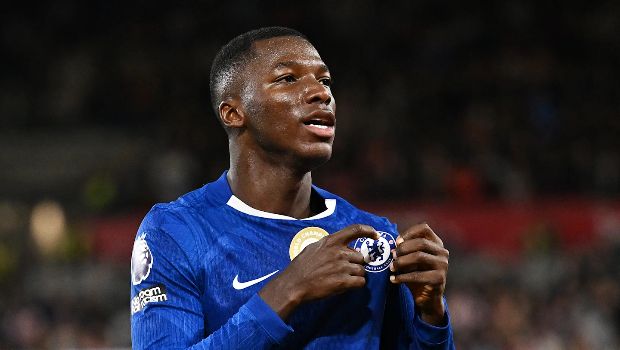
There was a moment when it looked like Moises Caicedo might miss one of the biggest matches of his career. A red card in Ecuador’s final qualifier against Argentina national team last September had placed him in a gray area, with many assuming the suspension would carry over into the opening game of the FIFA World Cup 2026.
That uncertainty is now gone. FIFA has confirmed that Caicedo will not serve a ban during the tournament, clearing him to feature from the very first match. The decision not only impacts Ecuador’s plans but also reflects a broader policy shift that affects multiple national teams heading into the competition.
Under normal circumstances, a red card in international competition results in at least a one-match suspension. The complication in Caicedo’s case came from timing. Ecuador’s clash against Argentina was their final official qualifier, leaving no immediate fixture in which to serve the ban.
Traditionally, that suspension could roll into the next official match—often the World Cup itself. However, FIFA opted to handle this cycle differently. A decision made by a governing bureau led by Gianni Infantino established that pending suspensions from qualifiers would not transfer to the tournament.
Instead, those sanctions will be enforced in future international competitions after the World Cup concludes. The reasoning is strategic: FIFA wants the tournament to showcase the strongest possible squads rather than being shaped by disciplinary carryovers from a previous phase.
This adjustment applies across the board. Players from different national teams who were in similar situations—including high-profile names—have also benefited. The governing body is essentially separating the qualification process from the final tournament in terms of disciplinary consequences.

For Ecuador, this is more than just administrative clarity—it’s a competitive boost. Caicedo is not a peripheral player; he is central to how the team functions. His role as a midfield anchor allows Ecuador to control tempo, recover possession, and transition quickly.
His presence becomes even more important in a short tournament format where early results can define the entire campaign. Missing the opening match would have forced a tactical reshuffle, likely weakening the team’s balance.
At club level with Chelsea, Caicedo has already shown how influential he can be when given responsibility in midfield. That same profile translates directly to the international stage, where structure and discipline often determine outcomes more than flair alone.
From the player’s perspective, the decision removes a layer of pressure. Instead of entering the tournament with uncertainty hanging over him, he can focus entirely on preparation and performance. That mental clarity matters, especially in a competition where margins are tight and expectations are high.